
Owning a home on the water in Cape Coral, Fort Myers, Naples, or Marco Island comes with many benefits—but also unique responsibilities. One of the most important is maintaining your seawall.
Over time, Florida’s coastal conditions—saltwater, storms, tides, and shifting soil—can cause cracks and wear in your seawall. These cracks may seem small at first, but they often lead to soil erosion, structural damage, and expensive repairs if left untreated.
At Seawall Savers, we specialize in non-invasive, proven repair solutions that restore your seawall’s strength and appearance—without the disruption or high costs of full replacement.
Seawall caps are the horizontal concrete surfaces that sit on top of the seawall panels, holding them together and helping to evenly distribute structural pressure. Over time, cracks in the cap are not only common—they’re often the first visible sign of deeper issues.
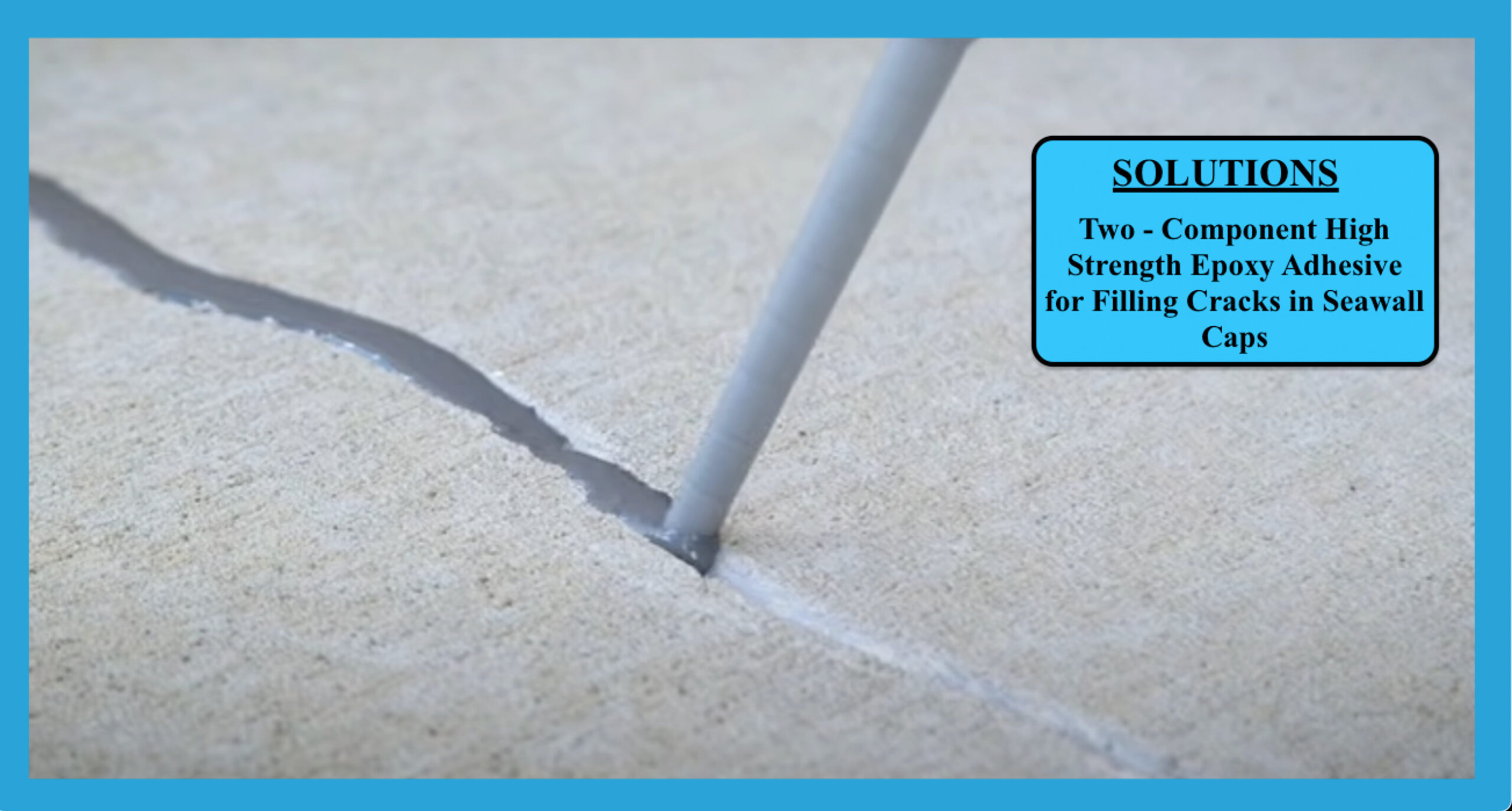
Seawall caps are directly exposed to the harshest coastal conditions—including UV rays, salt spray, and rainwater. This constant wet-dry cycle causes expansion and contraction in the concrete, which leads to surface cracking over time.
Inside the cap is steel reinforcement (rebar) that helps the concrete stay strong. When cracks form and saltwater seeps in, it begins to corrode the steel. As the rebar rusts, it expands—causing even more cracking and pushing apart the surrounding concrete.
Tides, heavy rainfall, and changing water levels push pressure from behind the seawall. Over time, this movement creates stress points in the cap, especially at joints and seams, leading to cracking and potential shifting.
Concrete naturally shrinks slightly as it ages and cures. In older seawalls—especially those built 20+ years ago—this shrinkage can result in hairline cracks that worsen with environmental exposure.
In some older or hastily built seawalls, caps may have been constructed with insufficient concrete thickness or poor-quality reinforcement. These caps are more prone to early cracking and require earlier repair or resurfacing.
Even small cracks or fissures in your seawall cap can:
At Seawall Savers, we address cap cracks with marine-grade epoxy injection and, when needed, protective coatings to prevent future corrosion. We also inspect for underlying damage to ensure your wall’s integrity from top to bottom—helping you avoid unexpected, costly repairs down the line.
Common Types of Cracks We Repair
We use time-tested techniques specifically designed for coastal homes in Southwest Florida:
Epoxy Injection Repair
A minimally invasive method that seals cracks using marine-grade epoxy. It:
Epoxy Pressure Grouting
For larger or deeper cracks, we inject grout to fill gaps, support the structure, and stop erosion underneath the wall
After repairing your wall, we often recommend applying a protective coating to the surface. This coating:
With proper maintenance, our epoxy-based repairs can extend the life of your seawall by 20 years or more.
Not always. If the structure is still sound, our repair methods can restore it without full replacement.
No. We use clean, efficient techniques that require little or no excavation. Most repairs are done quickly with minimal disturbance.
Schedule Your Free Seawall Inspection
If you’ve noticed cracks in your seawall—or simply want peace of mind—contact Seawall Savers today. We’ll provide a no-obligation inspection and honest advice on how to protect your waterfront home for years to come.
We look forward to the opportunity to serve your seawall repair needs. Contact our office directly over the phone or through the form below at any time to review your next project!