
Dealing with pooling water or poor drainage after rain near your seawall? Seawall Savers™ in Cape Coral explains causes, dangers, and drainage solutions like jet filters and weep hole restoration.
Pooling Water Near or Poor Drainage Behind Your Seawall? Don’t Ignore These Warning Signs After a heavy Florida rain, it’s not unusual to see some standing water around your property. But if you notice persistent puddling, soggy soil, or slow drainage behind your seawall, it’s more than just an inconvenience — it could be a sign of seawall failure.
At Seawall Savers™, we help Cape Coral homeowners, HOAs, and businesses diagnose and repair drainage issues that put their seawalls — and their property — at risk.
A well-functioning seawall is designed not only to hold back water, but also to release it safely through built-in drainage systems. When those systems fail, water builds up behind the wall, creating dangerous pressure known as hydrostatic load.
If that pressure isn’t relieved, it can cause:
That’s why signs of poor drainage are more than surface-level — they’re a structural warning.
Standing Water After Rain
If you consistently notice puddles near your seawall long after the rain ends, it’s a likely sign that water isn’t draining as it should.
Water Staining or Streaks on Seawall Face
These streaks show where water has been trying to escape — usually through cracks or unintended gaps.
Mushy or Soft Ground
Soggy soil is a sign of saturation, often caused by trapped water behind the wall or clogged weep holes.
Sinkholes or Depressions Behind the Wall
Poor drainage leads to soil displacement, eventually forming sinkholes or depressions.
Clogged or Missing Weep Holes
If your seawall lacks visible drainage holes or has weep holes that are blocked, water will have no proper release, increasing pressure and erosion risk.
Slow Drainage or Pooling on Hard Surfaces
When water accumulates on patios, docks, or seawall caps and takes a long time to dissipate, the slope and drainage behind the wall may be failing.
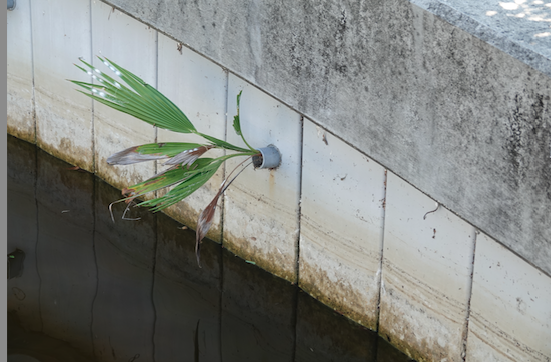
Drainage issues usually point to problems with the weep holes, filter systems, or the seawall’s potential drainage design fabric. Here’s what we most often see in Cape Coral:
Older seawalls, especially those over 20 years old, often lack modern drainage components — making them especially vulnerable.
We use advanced tools and materials to restore proper drainage and stabilize the wall structure. Common repair options include:
Jet Filter System Installation
Jet filters are installed in seawall panels to allow water to exit while blocking soil loss. This reduces pressure and prevents erosion.
Jet Filter Benefits:
Weep Hole Clearing and Restoration
We inspect and clear existing weep holes or retrofit new ones to improve water flow. Many times, landscapers and individuals without expert knowledge seal the weepholes off with cement. This stops all drainage that was engineered designed.
Results:
Foam Injection for Soil Stabilization
If pooling has caused soil erosion or voids, we inject structural foam to fill gaps and prevent future settling.
Cape Coral’s flat terrain, poor soils, high water table, and frequent storms make it a hotspot for drainage challenges. Many new residents do not realize that many of Cape Corals canal were excavated from mangrove swamps and cow pastures.
Even seawalls in good condition can suffer when groundwater has nowhere to go.
Whether you live in Southwest Cape Coral, Southeast Cape Coral or the Yacht Basin Area, the canal near your seawall needs a drainage system tailored to our local conditions — and that’s what Seawall Savers™ delivers.
It’s usually due to failed or clogged weep holes, improper grading, or missing filters — all of which allow water to accumulate instead of draining properly.
A jet filter allows water to exit through the seawall while preventing soil from escaping with it. It reduces pressure and erosion simultaneously.
Yes. Prolonged water pressure behind the wall, especially during hurricanes can lead to cracks, soil loss, and eventually collapse. Early intervention is critical.
If your property shows signs of pooling water, slow drainage, or soft soil near the seawall, don’t wait for further damage.
Seawall Savers™ offers free inspections to Cape Coral homeowners, including evaluation of:
✔️ Local experts in waterfront conditions
✔️ Drainage system upgrades
✔️ Soil stabilization options
✔️ No-pressure consultation
“Water should move freely — not collect behind your seawall. Our expert solutions keep your shoreline safe and stable.”
Call Seawall Savers™ today and let our team restore your drainage and your peace of mind.
We look forward to the opportunity to serve your seawall repair needs. Contact our office directly over the phone or through the form below at any time to review your next project!